Published by Cambridge University Press
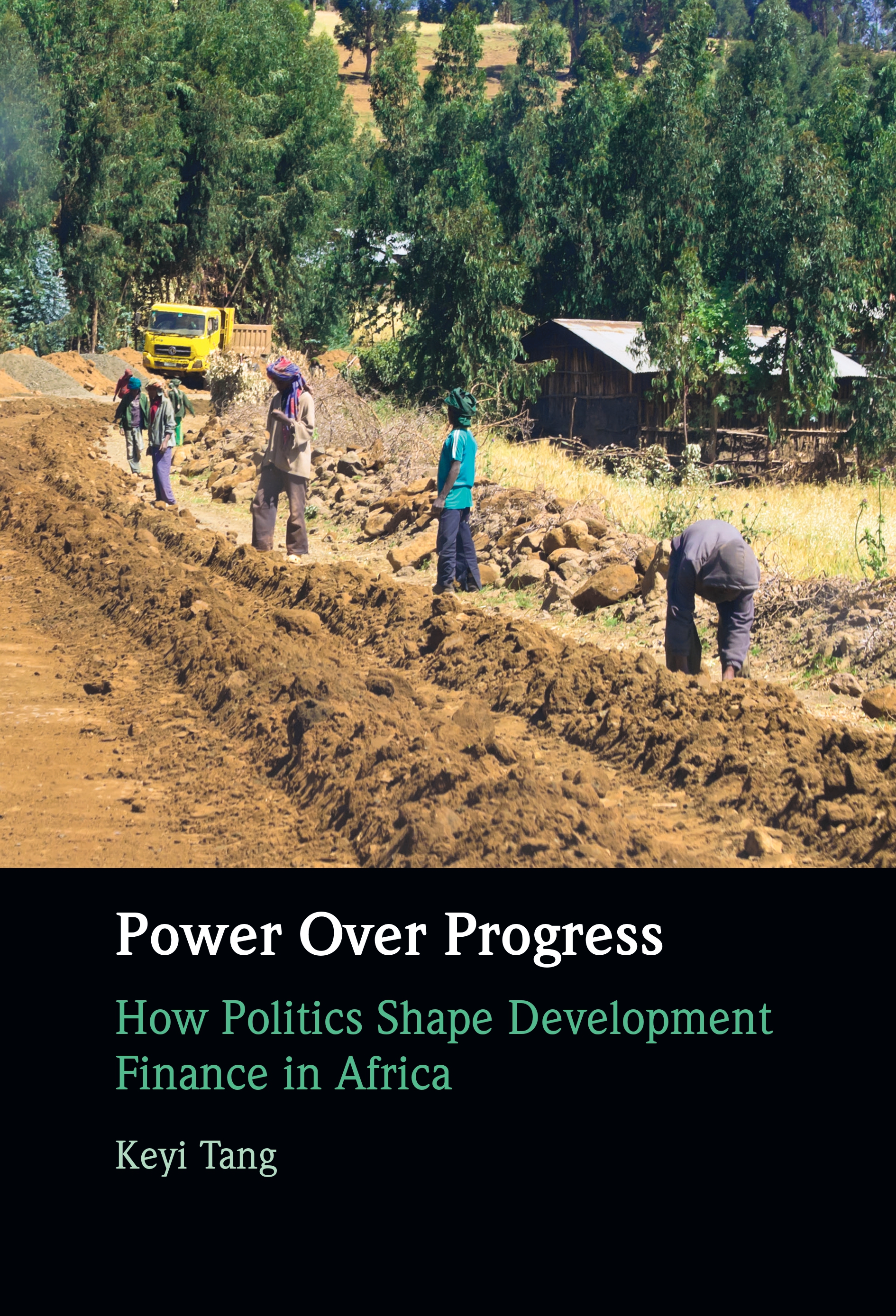
Why do some communities gain roads and schools while others languish for decades? This book investigates how external accountability and domestic political competition shape the allocation of billions in development finance across 48 African countries—revealing how aid from China, the World Bank, and Western donors often favors political power over genuine need. Drawing on newly geocoded data of subnational elections and development projects, alongside vivid case studies of Zambia, Ethiopia, and Ghana—backed by 175 elite interviews—it uncovers a counterintuitive truth: heightened political competition can intensify favoritism, diverting funds to strongholds or swing regions rather than the most underserved areas. While traditional donors attempt to curb favoritism through stricter conditions, their efforts are frequently undercut by domestic political incentives. This compelling, data-driven analysis challenges conventional wisdom and offers crucial insights for rethinking development partnerships that truly serve the Global South.
An excerpt from this book manuscript won the Best Graduate Student Paper Award from the International Political Economy Section at the 2024 International Studies Association Annual Conference.
I recently wrote a Cambridge University Press blog post related to the book:
When Elections Meet External Finance: Why Even Good Financiers Fund Political Favoritism
Confirmed Book Talks
Confirmed talks and book events include:
- April 2026: Johns Hopkins SAIS, Georgetown University, and the Peterson Institute for International Economics
- May 2026: European Bank for Reconstruction and Development, University of Oxford, and Peking University
- June 2026: European Political Science Society Annual Conference Book Roundtable
Data
The book’s accompanying dataset is available here:
Download the AEGIS dataset package (.zip)
The download includes the dataset in .xlsx and .csv formats, a source workbook, a PDF codebook, and a README.